Once upon a time, Britain was defined by something loud, unapologetic, and everywhere you looked. Lad culture. If you were around in the 1990s or early 2000s, you’ll remember it clearly. Football, pubs, banter, and nights out that rarely stayed sensible for long.
To understand lad culture, you have to go back to the early 90s. Britain was shifting. The country was coming out of the late 80s, and a new generation was looking for something different. There was a strong working class energy building. Football was recovering and growing again, nightlife was booming, and music scenes like rave and Britpop were exploding.
Young British men wanted media that reflected their lives. Not polished or overly serious, but funny, cheeky, and relatable. That’s where the idea of “the lad” came from.
The lad wasn’t trying to impress. He liked football, nights out, music, and having a laugh with his mates. He didn’t take life too seriously, and that attitude quickly became an identity shared across the country.
The Magazine Boom That Defined an Era
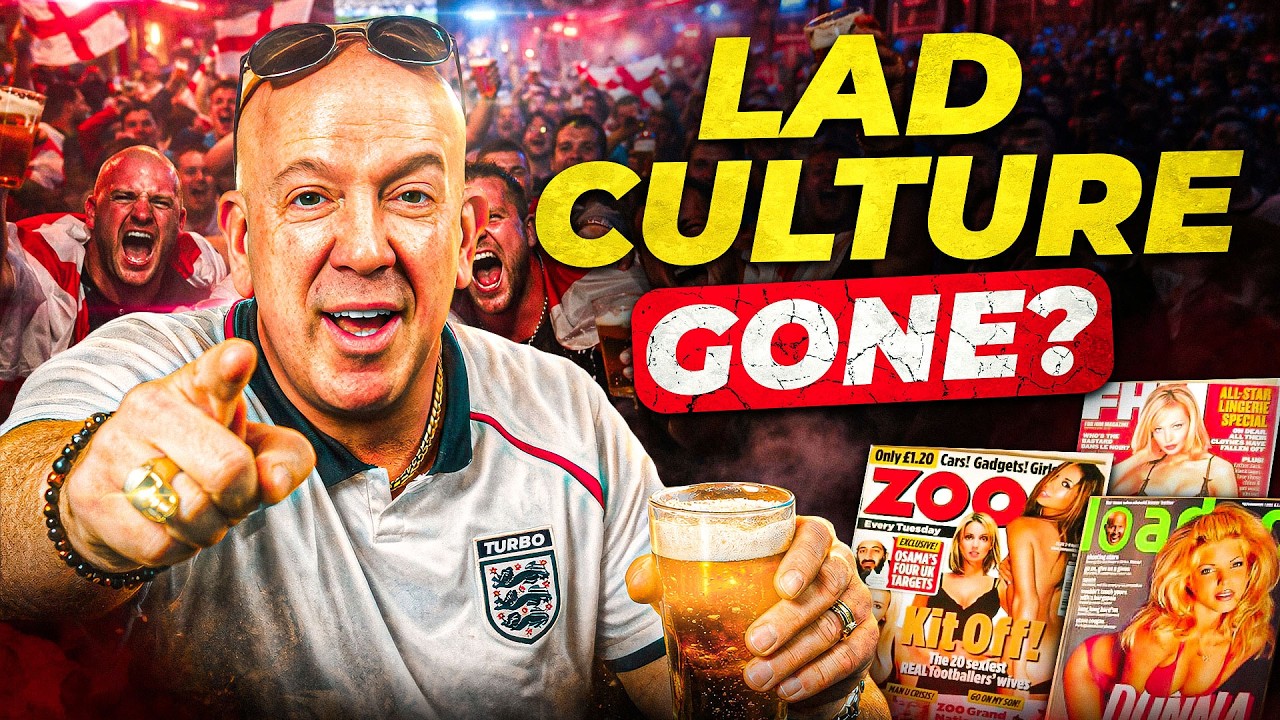
While lad culture existed in pubs and terraces, it truly exploded into the mainstream through magazines. The biggest turning point came with Loaded Magazine in the mid 1990s.
Loaded completely changed men’s media. Before it, magazines were either serious, fashion focused, or overly polished. Loaded flipped that on its head. It was raw, funny, and full of personality. Interviews with footballers and musicians sat alongside stories about nights out, jokes, and football chat.
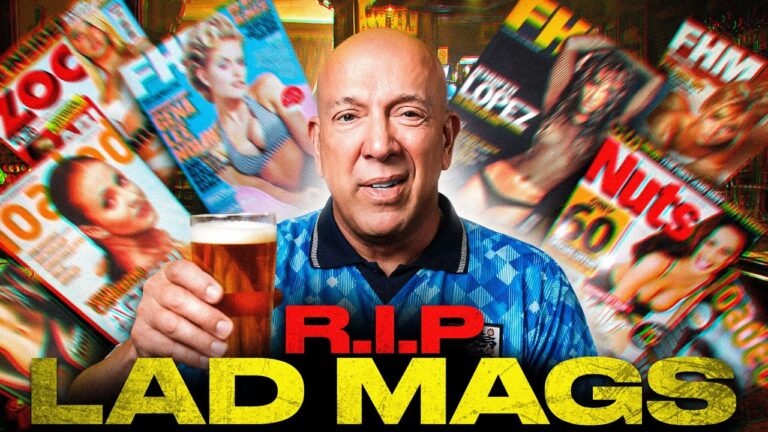
Soon after, titles like FHM, Nuts, and Zoo built an entire ecosystem around lad culture.
These magazines weren’t just popular. They were everywhere. Newsagents, barbers, trains. At their peak, they sold hundreds of thousands of copies every week. They shaped how people dressed, spoke, and even what they aspired to.
They also defined the tone of the era. Humour was bold, sometimes controversial, and very much rooted in everyday life.
Lad Culture Takes Over Film and Television
As magazines grew, lad culture spread into every corner of British entertainment.
Films became a huge part of this movement. Movies like Lock, Stock and Two Smoking Barrels brought a new kind of British storytelling to the screen. They were gritty, funny, and felt real. This was followed by Snatch, which doubled down on chaotic humour and memorable characters.
Later films like Rise of the Footsoldier explored the darker side of this culture, showing how nightlife and crime sometimes overlapped.
Television also leaned heavily into the lad mindset. Shows like Men Behaving Badly captured the everyday life of two men living like overgrown teenagers. It was relatable, chaotic, and hugely popular.
Then came Soccer AM, which redefined sports broadcasting. It wasn’t polished or corporate. It felt like football fans talking to football fans.
In the late 2000s, The Inbetweeners perfectly captured teenage lad culture. Awkward, honest, and often ridiculous, it showed the next generation navigating life in the same spirit.
Even Top Gear during its most famous era leaned into lad culture, with humour, competition, and a focus on entertainment over pure information.
Video Games, Music, and Lifestyle
Lad culture wasn’t just about what you watched or read. It was how people lived.
Video games played a major role. Grand Theft Auto became more than just a game. It captured the rebellious, chaotic humour that defined the era. Meanwhile, football games like FIFA and Pro Evolution Soccer became central to social life, with mates gathering for competitive sessions that often turned heated.
Music was another key pillar. Britpop bands like Oasis and Blur brought swagger and attitude into mainstream culture. Club scenes with garage, house, and drum and bass fed directly into the nightlife that defined the lad lifestyle.
Everything blended together. Football, music, nights out, and media all became part of one shared cultural experience.
The Peak of Lad Culture in the Early 2000s
By the early 2000s, lad culture was at its absolute peak.
Footballers became some of the biggest celebrities in the country. Figures like David Beckham and Wayne Rooney weren’t just known for football. Their lives were constant tabloid headlines.
Reality TV also exploded during this time. Shows like Big Brother and I’m a Celebrity… Get Me Out of Here! turned ordinary people and celebrities into household names overnight.
It felt like the entire country was watching the same shows, reading the same magazines, and having the same conversations. Lad culture wasn’t just popular. It was the backdrop of everyday life.
The Decline of Lad Culture
By the late 2000s and early 2010s, things began to change.
The biggest factor was the internet. Suddenly, everything that magazines offered was available online for free. News, interviews, photos, and entertainment were just a click away.
Then social media changed everything again. Platforms like Facebook, YouTube, and Twitter gave individuals the power to create and share content themselves. Media was no longer controlled by publishers and broadcasters.
At the same time, attitudes were shifting. The humour and imagery that had once been widely accepted began to face more scrutiny. Conversations around representation, particularly of women, became more prominent. Media companies adapted, and the tone of mainstream content changed.
The final sign of the decline came when the magazines themselves disappeared. Nuts and Zoo both shut down, marking the end of an era. What once dominated shelves across the UK had vanished.
Did Lad Culture Really Disappear?
While lad culture faded from traditional media, its energy didn’t completely disappear.
Instead, it evolved. Platforms like YouTube and podcasting created a new kind of media landscape. Creators built their own audiences, often using the same humour, banter, and relatability that defined lad culture.
Online communities replaced magazine readerships. Podcasts replaced Saturday morning TV rituals. The format changed, but the spirit remained.
A Cultural Moment That Defined a Generation
Looking back, lad culture was more than just a trend. It was a snapshot of a specific time in Britain. A mix of humour, rebellion, and shared experiences that connected millions of people.
For some, it represented freedom and fun. For others, it highlighted issues that needed to change. Either way, it left a lasting impact on British media and culture.
The question now is whether Britain lost something when lad culture faded, or whether it simply evolved into something new.
Either way, it remains one of the most distinctive cultural movements the country has ever seen.