The allure of fast money, status, and reputation has long been tied to stories of organised crime in the UK. From underground networks to high-risk smuggling operations, the lifestyle can appear exciting from the outside. But as this story reveals, the reality is far more complex, dangerous, and ultimately destructive.
This blog explores the journey from small-time involvement to large-scale operations, the psychology behind criminal escalation, and the harsh consequences that inevitably follow.
Entering the Crime World: Opportunity Meets Influence
Like many stories rooted in crime, it often begins with influence and opportunity. Early exposure to older, more experienced individuals can shape decisions quickly. In this case, relationships formed through problem-solving and street connections opened the door to illegal activity.
What stands out is the structure even within criminal circles. There were rules. Boundaries. Some individuals refused to get involved in higher-risk activities, understanding the long-term consequences. That contrast highlights an important truth: even within crime, there are levels of awareness and calculated risk.
The early stages felt controlled. Small earnings, low visibility, and a sense of belonging. But that rarely lasts.
The “Boat Game”: High Risk, High Reward
One of the most striking elements of this story is the move into cross-channel smuggling. Operating boats across the English Channel at night, often alone, brought both adrenaline and serious financial gain.
This wasn’t reckless improvisation. It involved:
- Learning navigation skills
- Upgrading equipment over time
- Understanding tides, shipping lanes, and risk zones
- Operating under extreme conditions in one of the busiest waterways in the world
Despite the danger, the appeal was undeniable. It combined challenge, secrecy, and money. And importantly, it created a sense of identity and reputation within underground networks.
Reliability became currency. Delivering consistently without theft or mistakes built trust, and with trust came bigger opportunities.
Reputation and Escalation in Organised Crime
In criminal environments, reputation spreads fast. Being known as reliable and loyal opened doors to larger operations and higher-value consignments.
This is where escalation truly begins.
What starts as manageable risk evolves into large-scale involvement. The money increases rapidly:
- From a few thousand a week
- To tens of thousands
- Eventually reaching levels that attract attention
And that attention is inevitable.
With increased visibility comes surveillance. Law enforcement begins connecting patterns. Assets raise suspicion. Lifestyle changes become evidence.
At this stage, many individuals believe they are untouchable. That confidence often becomes their biggest weakness.
The Illusion of Control
A key theme throughout this journey is the illusion of control. Outsmarting authorities, avoiding surveillance, and staying one step ahead creates a false sense of security.
There were attempts to stay ahead:
- Switching vehicles frequently
- Using counter-surveillance tactics
- Identifying and disrupting tracking devices
- Avoiding predictable routines
For a time, it worked. But only temporarily.
The reality is simple: law enforcement doesn’t need to win every time. They only need to win once.
The Turning Point: When It All Catches Up
Eventually, every criminal operation reaches a breaking point. In this case, it came through a large-scale operation involving massive sums of money and multiple individuals.
Loose connections, communication leaks, and the sheer size of the network made it impossible to sustain.
The result was predictable:
- Multiple arrests
- Long prison sentences
- Confiscation of assets
- Entire networks dismantled
Even those who initially avoided arrest found themselves pulled back in, often through new opportunities or financial pressure.
Prison, Recalls, and the Cycle of Consequences
One of the most revealing aspects of this story is how consequences don’t end with a sentence. The system continues long after release.
This included:
- Extended licence periods
- Recalls for minor breaches
- Ongoing surveillance
- Restrictions on movement and lifestyle
At one point, a nine-year sentence effectively stretched into over a decade due to recalls and additional charges.
This highlights a crucial reality: once involved at a serious level, it is incredibly difficult to fully escape the system.
The International Dimension: Crime Beyond Borders
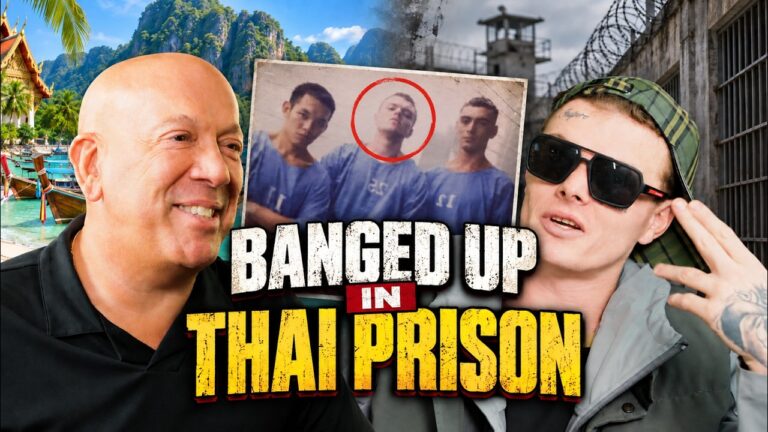
The story also extends beyond the UK, involving arrests and imprisonment abroad. Experiences in foreign prison systems added another layer of hardship.
Conditions were harsher, environments more unpredictable, and the lack of familiarity made everything more intense.
It reinforces how crime at scale is rarely local. It becomes international, increasing both risk and consequence.
The Psychological Toll
Beyond the legal consequences, the long-term psychological impact is significant.
Constant surveillance, paranoia, and pressure take their toll. Living under the assumption of being watched, followed, or targeted creates a state of ongoing stress.
This leads to:
- Anxiety and paranoia
- Difficulty trusting others
- Emotional burnout
- Mental health struggles
What once felt exciting becomes exhausting.
A Different Path: Fighting and Discipline
Interestingly, there was another path running parallel throughout this journey: professional fighting.
Training in kickboxing and mixed martial arts provided structure, discipline, and a legitimate outlet for energy and aggression.
Working with established fighters and training in competitive environments showed what could have been possible with full commitment.
But like many in similar situations, the pull of fast money outweighed the long-term rewards of discipline and sport.
The Reality of Modern Policing
One of the most important takeaways from this story is how much policing has evolved.
Today, avoiding detection is significantly harder due to:
- CCTV coverage across cities
- ANPR (Automatic Number Plate Recognition) systems
- Phone tracking and data analysis
- Facial recognition technology
- Digital footprints from everyday activity
The margin for error has shrunk dramatically.
The idea of operating undetected for long periods is no longer realistic in most cases.
Final Thoughts: The Truth Behind the Lifestyle
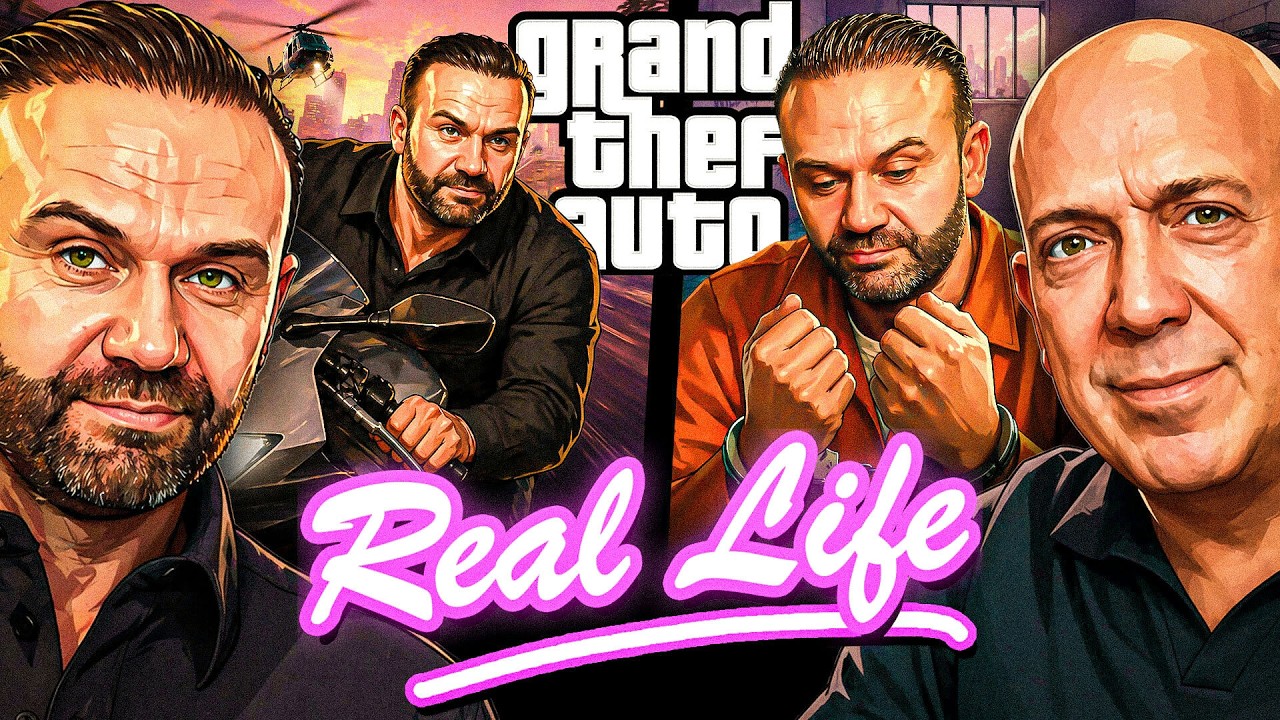
From the outside, stories like this can sound thrilling. Fast cars, high earnings, and dangerous missions create a cinematic image of crime.
But the reality is very different.
It leads to:
- Long prison sentences
- Loss of freedom
- Strained relationships
- Mental health struggles
- A constant cycle of consequences
Even those who “make it” eventually face the same outcome. It’s not a question of if, but when.
Why These Stories Matter
Sharing experiences like this serves an important purpose. Not to glorify the past, but to expose the truth behind it.
For anyone considering a similar path, the message is clear:
The short-term rewards are never worth the long-term cost.
What begins as opportunity quickly becomes a trap. And once you’re in, getting out is far harder than it ever seems at the start.
Understanding that reality early can make all the difference.