British crime is often presented through films, books and television dramas. The clothes, cars, clubs and notorious names create an image of excitement and power, but that image rarely shows the true cost of life in the criminal underworld.
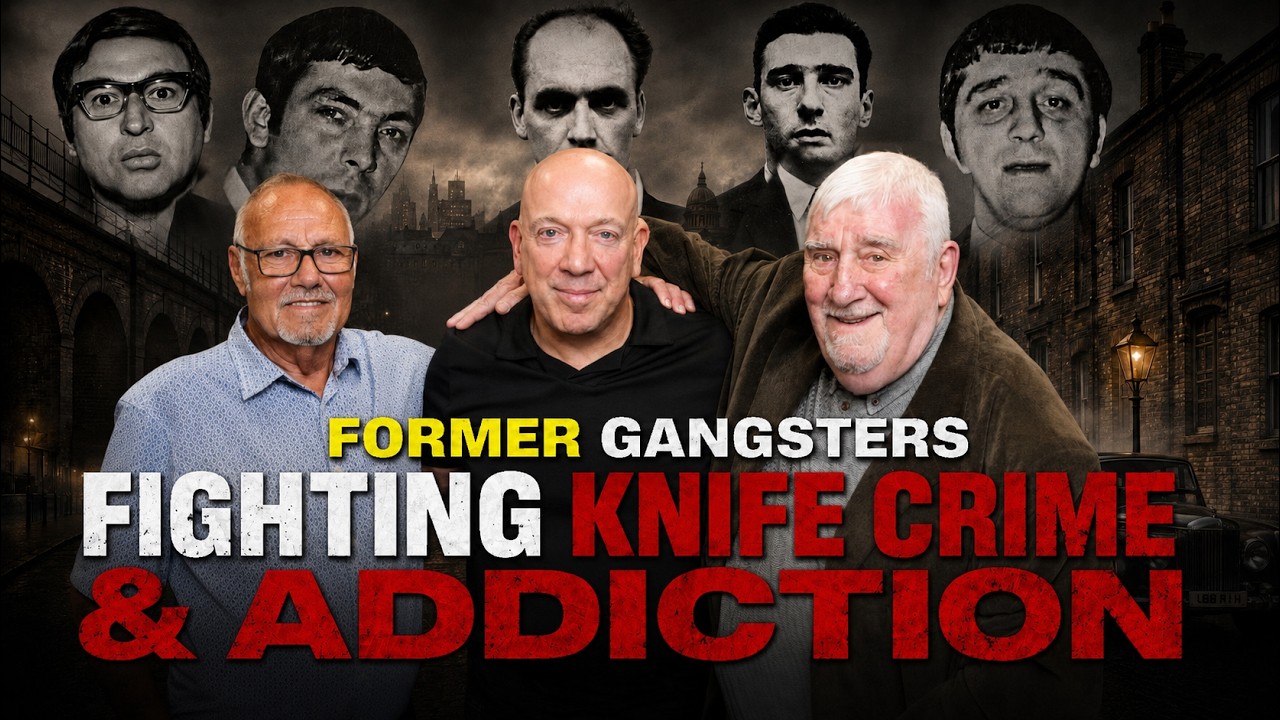
Speaking to Terry Stone on the Criminal Connection podcast, Chris Lambrianou and Steve Walker offer a very different perspective. Both men experienced serious crime, violence, addiction and imprisonment, but neither is interested in glorifying the past.
Their stories are warnings about where crime can lead and powerful examples of how people can change their lives.
Chris Lambrianou and the Kray Twins
Chris Lambrianou’s name is closely connected to one of the most infamous periods in British gangland history. Although often portrayed as part of the Kray Twins’ firm, Chris explains that he always considered himself independent.
Growing up, he spent time in institutions where he met people from across the country. He describes this experience as an education in crime, one that introduced him to individuals from London, Manchester, Liverpool, Birmingham and beyond.
During the 1960s, Chris became involved in different criminal enterprises, including long firm fraud. This involved building a legitimate-looking company, earning the trust of suppliers and paying bills on time before eventually obtaining large quantities of goods on credit. The company would then disappear, leaving its debts behind.
It was a world built on reputation, connections and an unwritten underworld code. However, those connections would eventually cost Chris his freedom.
The Murder of Jack “The Hat” McVitie
Chris recalls being present on the night Jack “The Hat” McVitie was murdered by Reggie Kray. He insists that he had no knowledge of what was going to happen and left when an argument began.
After returning to the property out of concern for his brother Tony, Chris discovered that McVitie had been killed. He then became involved in the immediate aftermath, a decision that would change his life forever.
Chris was later offered an opportunity to explain what had happened. However, he refused to provide information, remaining loyal to the underworld code he had followed for years.
He was charged with murder and sentenced to 15 years in prison.
The consequences extended far beyond the courtroom. Chris had a 17-month-old daughter when he was imprisoned and did not see her properly for 15 years. His brother Tony also received a lengthy sentence, while other families were torn apart.
Looking back, Chris is brutally honest about his decision. He says they put the criminal code before their children and families.
Fifteen Years Inside Britain’s Toughest Prisons
Chris served his full sentence in some of Britain’s highest-security prisons. He describes a world where violence, suicide and death were part of daily life.
He witnessed a prisoner being murdered over a radio and spent time alongside some of the country’s most notorious criminals. Far from being glamorous, prison was a place of isolation, fear and wasted years.
By the time he was released, Chris was 43. He had no desire to return to crime. He had gained welding qualifications in prison and was determined to work, provide for his family and rebuild his life.
His journey eventually brought him into rehabilitation work, where his experience of crime and imprisonment allowed him to connect with people who often felt ignored or misunderstood.
Steve Walker’s Journey Through Violence and Addiction
Steve Walker’s route into crime began with abandonment, poverty and bullying.
Left with his grandparents as a baby, Steve grew up without a relationship with his mother and with an alcoholic, violent father. At school, he was targeted because of his home life, worn clothes and lack of money.
When Steve eventually fought back against a bully, he noticed that people suddenly respected him. Violence gave him a feeling of protection and belonging. Before long, he became the person intimidating others.
After being expelled from school and prescribed tranquillisers at a young age, Steve began drinking, stealing cars and becoming involved in robberies. He later entered the drugs trade, selling and using a wide variety of substances.
What began as an escape developed into severe addiction. Steve used drugs to cover feelings of rejection and worthlessness, but the temporary relief pushed him deeper into a dangerous criminal world.
Crime, Drugs and the Point of No Return
Steve became involved with violent drug dealers and found himself surrounded by threats, weapons and murder.
In one incident, he was stabbed and struck with a club hammer following a dispute over drugs. Bleeding heavily, he escaped by running through the glass doors of a stranger’s home. The occupants called an ambulance, an action Steve believes may have saved his life.
He eventually realised that he had entered a world he could not simply leave. The people above him expected debts to be collected and orders to be followed. Refusal could have deadly consequences.
Although Steve attempted to escape geographically, his addiction followed him. Arrest and imprisonment eventually led him towards residential rehabilitation.
How Rehabilitation Changed Everything
Steve initially saw rehabilitation as a way to avoid a longer prison sentence. However, as the months passed, he began to confront the real causes of his addiction and behaviour.
The programme demanded honesty and personal responsibility. Steve could no longer blame his childhood, family or circumstances for every decision he had made.
He eventually realised that much of his behaviour came from searching for the love and security he had never received as a child. Drugs, relationships, crime and violence had all become substitutes for that missing connection.
After completing an intensive 18-month programme, Steve went on to help others through rehabilitation. Chris later joined this work, supporting prisoners, people with addictions and individuals trying to rebuild their lives.
Why Lived Experience Matters
Chris and Steve believe effective rehabilitation requires time, trust and guidance from people who understand addiction from the inside.
Their message is not that education and professional training are unimportant. It is that lived experience can reach people who have learned to distrust authority and manipulate short-term programmes.
They also argue that prevention must begin earlier. Youth clubs, boxing gyms, community centres and trusted adult role models can give young people somewhere to belong before gangs and criminal networks fill that space.
A Story of Crime, Consequences and Redemption
The most powerful part of Chris Lambrianou and Steve Walker’s conversation is not the criminal history. It is what they chose to do afterwards.
Both men accept that their choices caused enormous damage. However, they also prove that a person’s worst actions do not have to define the rest of their life.
Today, their focus is family, rehabilitation, knife crime prevention and helping others avoid the paths they followed.
Their message is simple: crime does not deliver the respect, security or belonging it promises. What matters is not only where someone has come from, but where they choose to go next.