How does someone leave behind gangs, addiction and prison to protect young people from the same mistakes?
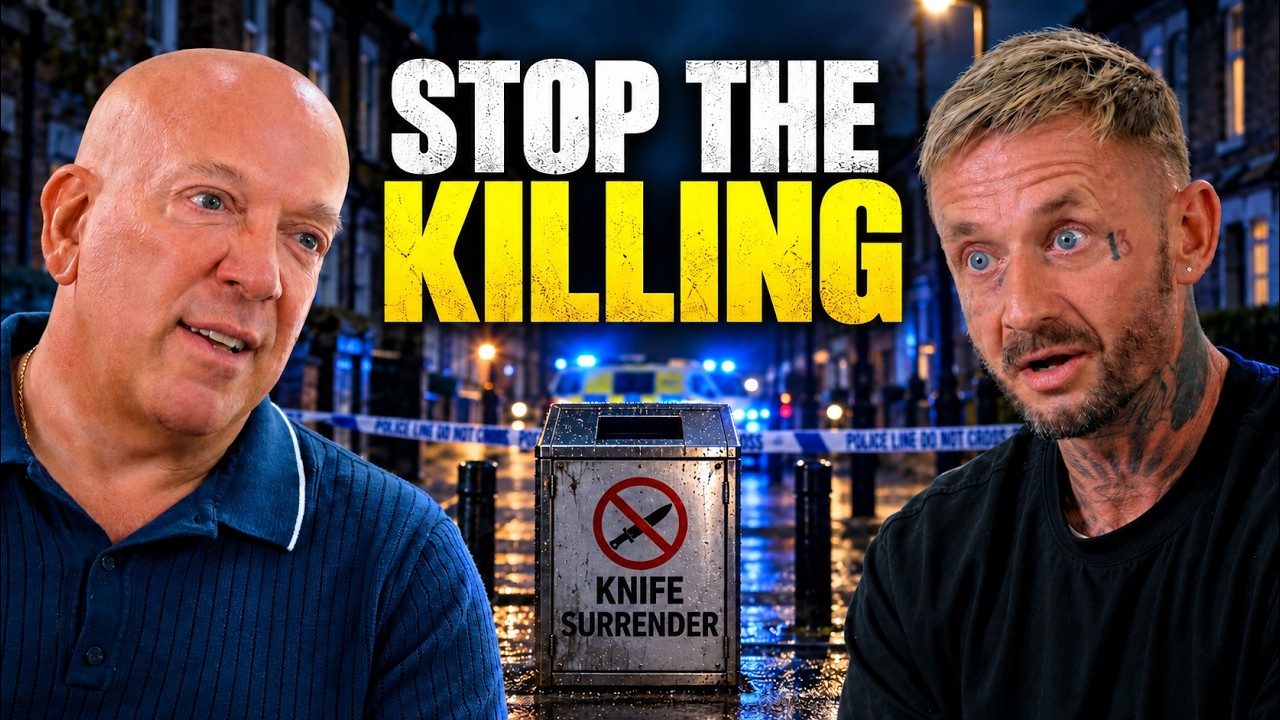
On the latest episode of The Terry Stone Connection, Terry sits down with Carl Scott MBE, a former gang member turned youth worker and anti-knife crime campaigner. Carl discusses his childhood in Nottingham, his best friend’s death, addiction and the work that earned him an MBE.
His story exposes the reality of UK knife crime and why early intervention matters.
Growing Up Around Violence in Nottingham
Carl grew up in Bulwell, Nottingham, surrounded by poverty and instability. His abusive father and family breakdown meant periods living with his grandparents.
Between the ages of nine and 13, Carl says he was sexually abused by a family member. Shame and fear of not being believed made speaking out difficult.
His behaviour at school deteriorated, with the reasons going unnoticed. Carl links that trauma to the anger that shaped his teenage years.
Boxing offered a brief positive outlet. A coach at his local youth club encouraged him to train, but Carl was already being drawn towards older teenagers involved in crime.
How Gang Culture Led to Robbery and Knife Violence
By his mid-teens, Carl was involved in street robberies, drug dealing and violent confrontations. He carried a knife for protection and was prepared to use it.
In the podcast, he challenges the belief that carrying a knife makes someone safer. A weapon may feel like protection, but a confrontation can become life-threatening within seconds.
He describes being attacked by a group and stabbed in the thigh with a carving knife. Being stabbed even brought him status among his peers, a mindset he now challenges.
He also stresses that the loyalty promised by gangs often disappears when things go wrong.
The Night His Best Friend Died in His Arms
One of the most heartbreaking moments in the conversation concerns Carl’s friend Leighton.
When Carl was almost 16, Leighton was fatally stabbed after being associated with someone else’s actions. Carl rushed to his friend and held him as he took his final breaths.
Decades later, the memory still affects his sleep. He describes taking medication to manage recurring nightmares and the lasting effects of trauma.
The loss stayed with him so deeply that he later named his son Leighton in his friend’s memory.
Behind every knife crime headline are lives permanently changed.
Addiction, Prison and a Cycle He Could Not Escape
Carl’s experiences of violence were followed by heroin addiction, homelessness and repeated prison sentences.
He describes how drugs initially offered an escape from painful memories, before dependence took hold. He committed further crimes to fund his addiction, trapped in a cycle of offending and imprisonment.
He was also kidnapped over a drug debt and abandoned in the countryside.
Prison did not immediately change his direction. Carl explains that having somewhere to sleep, regular meals and access to a gym sometimes made prison feel more stable than life outside.
His story highlights the difficulty of breaking the cycle without meaningful support.
Rehab, Recovery and the Turning Point
Carl eventually entered a rehabilitation programme in Bexhill-on-Sea, where he began confronting experiences he had spent years avoiding.
Recovery was far from straightforward. He speaks candidly about anger, relapse and the challenge of learning to trust other people.
A serious illness and mental health crisis in 2016 proved defining. Carl says that after receiving treatment and recovering, he began making lasting changes to his life.
Instead of returning to the streets, he started looking for ways to use his experiences to help others.
Using Lived Experience to Prevent Knife Crime
Carl’s new direction began with work in drug and alcohol recovery. After volunteering as a recovery coach, he helped people facing addiction and ran support groups.
He then worked alongside police and schools with children at risk of gang exploitation.
His approach is built on experience. He understands how young people can be persuaded by promises of money, belonging and status because he once lived in that environment himself.
Rather than simply telling young people what not to do, Carl encourages honest conversations about their circumstances and the decisions ahead of them.
He has also worked with schools to help pupils re-engage with education instead of allowing challenging behaviour to result in further exclusion.
Bringing Bleed Control Kits into Communities
Another major part of Carl’s anti-knife crime campaigning involves installing emergency bleed control kits in public places.
After meeting families affected by fatal stabbings, he learned how these kits could help control severe bleeding while emergency services are on their way.
Carl secured funding and support for an installation in Sussex. The campaign attracted significant media attention and helped bring greater awareness to the equipment.
For Carl, bleed control kits are only one part of the response. Preventing violence through education remains just as important as being prepared to respond when the worst happens.
Why Carl Scott Received an MBE
In 2026, Carl was named in the King’s Birthday Honours and awarded an MBE for services to the protection of young people.
During his conversation with Terry Stone, he explains that the recognition followed years of community work, mentoring and knife crime prevention. He says he has reached more than 20,000 young people through his work.
Carl is clear that the honour recognises what he has done to protect children, not the criminal life he once led.
He also speaks about the personal cost of his campaigning, including the strain that constant travel and work placed on his relationships. Learning to protect his own wellbeing has become part of his journey.
Watch Carl Scott MBE on The Terry Stone Connection
Carl Scott’s story raises difficult questions about childhood trauma, gang grooming, addiction and the support available to vulnerable young people.
Above all, it shows why listening to young people and intervening early can make a difference. Carl cannot change his past, but he is using what he learned to help others choose a different future.
Watch the full Carl Scott MBE interview on The Terry Stone Connection for an honest discussion about gang life, the consequences of knife crime and the possibility of change.