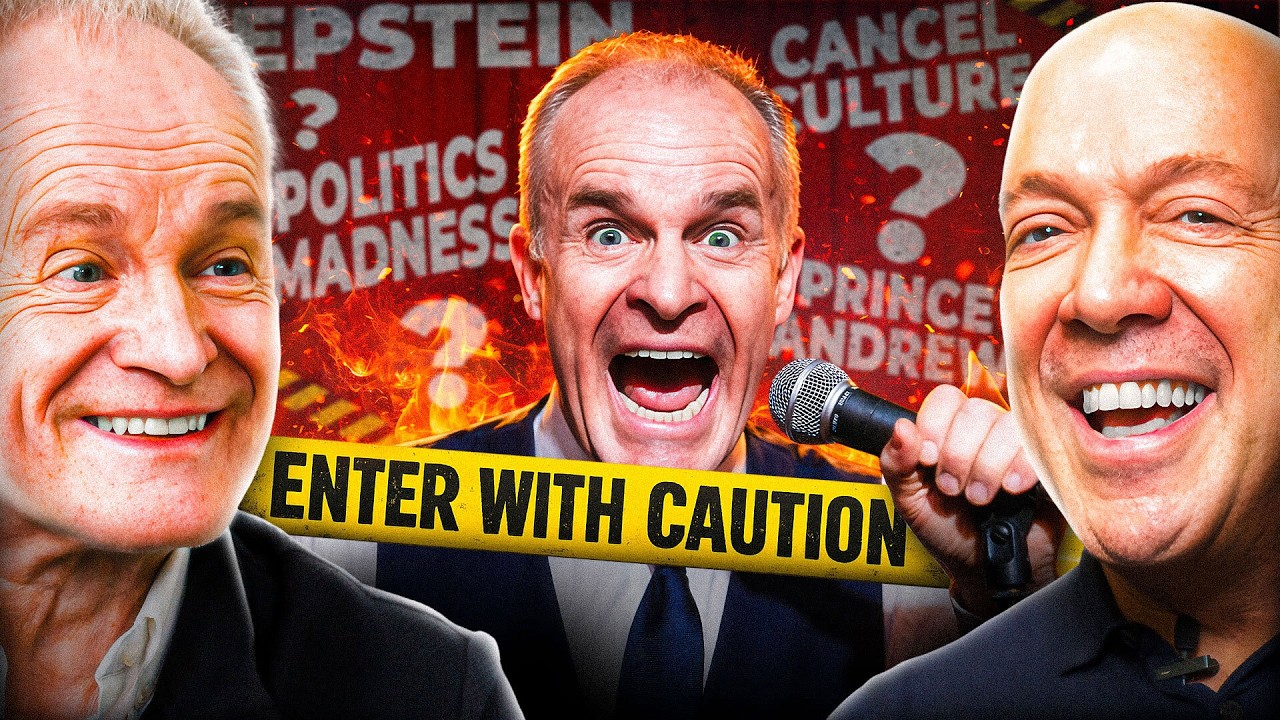
The latest episode of the Terry Stone Connection delivers a raw, unfiltered conversation with comedy legend Bobby Davro. Covering everything from his rise to fame and life on television to modern comedy, cancel culture and personal philosophy, this episode offers a fascinating look into one of Britain’s most recognisable entertainers.
With decades in the industry, Davro reflects on how comedy has evolved, what it takes to stay relevant, and why laughter still matters more than ever.
From Working Men’s Clubs to National TV
Bobby Davro’s journey into comedy wasn’t instant success. Like many great performers, it was built on years of graft, rejection and relentless practice.
Starting out on the live circuit, Davro spent years performing multiple shows a night, often for modest pay. These early experiences shaped his resilience and sharpened his craft.
He explains that success didn’t come overnight. It took around five to six years of consistent work before he broke into television. His big break came with appearances on major TV shows, eventually leading to his own series.
This period saw him become one of the most recognisable faces on British television, appearing regularly alongside other comedy greats of the era.
The Reality of Fame and Losing It
Despite achieving mainstream success, Davro is refreshingly honest about the realities of fame.
He describes fame as fleeting, explaining that while it brought opportunities, it was never the most important part of his career. What he misses most about being on television isn’t the money, but the creativity.
Creating sketches, developing characters and making audiences laugh at scale was what truly drove him.
His story highlights a key insight for performers and creators: longevity in entertainment is not just about fame, but about passion for the craft.
Comedy Then vs Now
One of the most talked-about parts of the conversation is how comedy has changed over the years.
Davro reflects on a time when comedy pushed boundaries more freely. He believes modern audiences are more sensitive, with a growing culture of offence and cancellation.
He makes the point that humour is subjective. Not everyone will find the same things funny, and that’s exactly how it should be.
According to Davro, the issue isn’t that people are offended, but that others are offended on behalf of people who may not be.
This shift has had a noticeable impact on comedians, with many now more cautious about their material.
Freedom of Speech in Comedy
A central theme throughout the discussion is freedom of speech.
Davro argues that comedy should challenge ideas, provoke thought and sometimes push limits. He believes audiences should have the choice to engage or not, rather than restricting what comedians can say.
His view is simple: if you don’t like a comedian’s material, don’t watch it.
This perspective reflects a wider debate in entertainment today, where creators are balancing authenticity with public perception.
The Craft Behind the Comedy
What stands out most is Davro’s respect for the craft of comedy.
He explains that great comedy isn’t just about being naturally funny. It requires structure, timing and precision.
Every joke is carefully constructed. The choice of words, the order they are delivered in, and the timing all play a crucial role in whether a joke lands.
He shares advice given to him early in his career: dedicate at least one hour a day to improving your craft.
Whether it’s writing new material, practising impressions or refining delivery, consistent effort is key to staying sharp.
Even now, after decades in the industry, Davro still follows this principle.
Life Beyond Comedy
The conversation also touches on Davro’s personal life and outlook.
He speaks openly about health concerns, relationships and the importance of family. Becoming a grandfather has given him a renewed sense of purpose, with a strong desire to stay active and present for the future.
Despite the ups and downs in his personal life, he maintains a positive outlook, focusing on what truly matters.
His philosophy is simple: enjoy what you have, rather than chasing what you don’t.
Acting Career and EastEnders
Beyond stand-up, Davro also built a successful acting career.
His role in EastEnders introduced him to a new audience and allowed him to develop his skills in a different environment. He embraced the challenge of stepping away from comedy to take on a more serious role.
Although his time on the show was relatively short, it remains a significant part of his career.
It also demonstrated his versatility as a performer, proving he could succeed beyond traditional comedy formats.
The Importance of Reinvention
A recurring theme in Davro’s story is adaptation.
From television and live comedy to acting and pantomime, he has continually evolved to stay relevant.
He continues to perform live shows, develop new material and engage with audiences across different platforms.
Looking ahead, he is also considering writing an autobiography, which promises to include behind-the-scenes stories from his career.
Comedy, Controversy and Culture
The conversation doesn’t shy away from controversial topics.
Davro shares his views on modern culture, identity, and social trends, often through humour. While some of his opinions may divide audiences, they reflect a broader conversation happening across society.
What remains consistent is his belief that comedy should remain a space where ideas can be explored freely.
He emphasises that humour is a tool for connection, not division.
Final Thoughts
Bobby Davro’s appearance on the Terry Stone Connection is a reminder of why he remains a respected figure in British comedy.
His honesty, experience and dedication to his craft offer valuable insights for anyone in entertainment or creative industries.
More importantly, his message is clear: don’t take life too seriously.
Laughter, after all, is still one of the most powerful tools we have.