
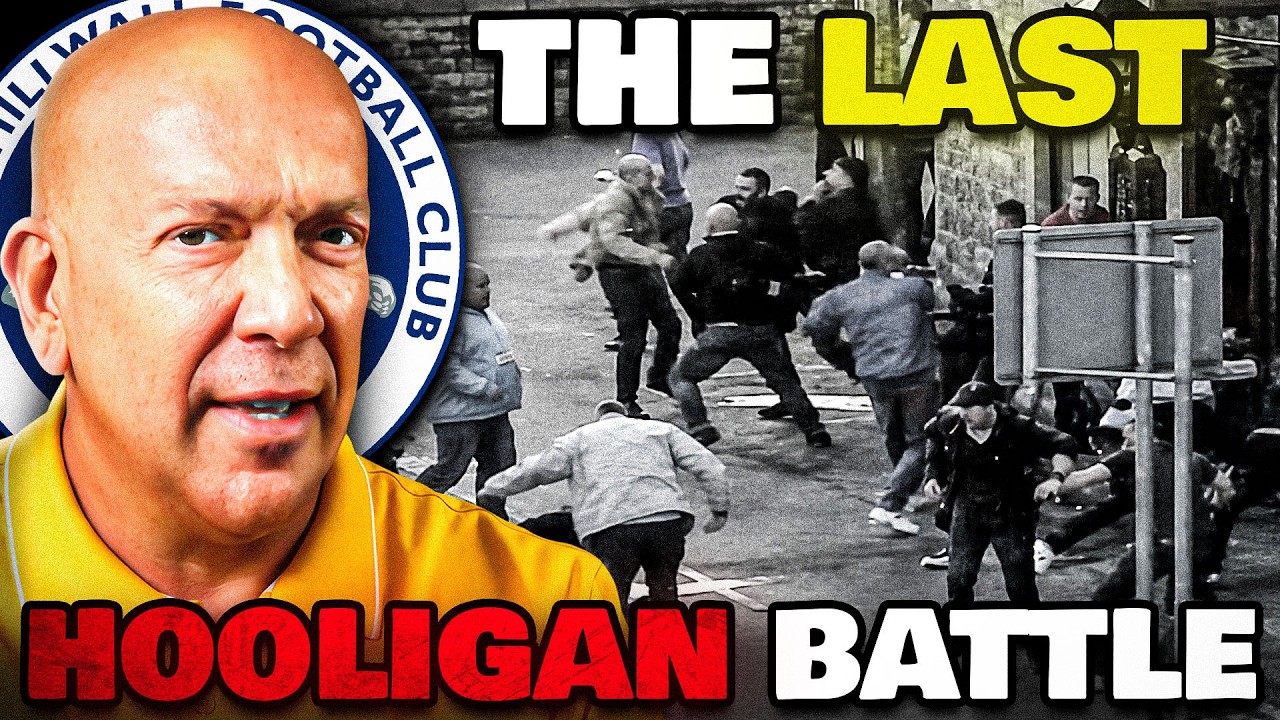
In 2010, CCTV cameras captured scenes on the streets of Huddersfield that appeared to belong to another era.
This was not grainy footage from the height of football hooliganism in the 1970s or 1980s. It was broad daylight in modern England, years after the authorities claimed organised football violence had been brought under control.
The confrontation, which became known as the Battle of Waterloo, was a stark reminder that football hooliganism had not disappeared. It had simply moved away from the stadiums and into places where it was harder to detect.
Had English Football Really Left Hooliganism Behind?
By 2010, English football looked very different from the game of previous decades.
New legislation, football banning orders, specialist police units and widespread CCTV had changed how crowds were managed. All-seater stadiums had replaced packed terraces, while the Premier League had transformed English football into a polished global product.
Corporate hospitality, modern stadiums and family-friendly matchdays became part of the new image. Inside grounds, football was generally safer and more controlled.
However, the loyalties, rivalries and reputations associated with football hooligan firms had not completely disappeared.
Rather than confronting one another inside stadiums, some groups began organising disorder away from the most heavily policed locations. Railway stations, pubs, industrial estates and town centres became potential meeting points.
Football violence had not necessarily ended. It had evolved.
Millwall and the Bushwackers
To understand why the Huddersfield incident attracted so much attention, it is important to recognise Millwall’s place in the history of English football hooliganism.
The club’s hooligan element, most famously associated with the Bushwackers, developed a formidable reputation during the 1970s and 1980s. The name became connected with organised, territorial and often relentless football violence.
For rival supporters travelling to The Den, that reputation could inspire genuine fear.
Millwall’s famous chant, “No one likes us, we don’t care,” also became closely connected to the club’s siege mentality. For some supporters, being disliked was not something to avoid. It was part of the identity.
That does not mean every Millwall supporter was involved in violence, nor should the culture be romanticised. Innocent people were frequently caught in the middle of football disorder, while those involved risked imprisonment, injury and lasting damage to their lives.
Nevertheless, Millwall’s reputation continued to carry weight long after English football claimed to have moved beyond its hooligan past.
What Happened in Huddersfield in 2010?
The fixture itself was not one expected to attract national attention.
Huddersfield Town were facing Millwall in League One. It was not a major cup final or a heavily promoted rivalry. For much of the country, it was simply another lower-league match.
Before kick-off, groups of Millwall supporters travelled into Huddersfield and made their way towards the Waterloo pub area, a known pre-match meeting point in the town.
According to subsequent court reporting, the disorder began when bottles and ashtrays were thrown at minibuses carrying Millwall supporters outside the pub.
The situation quickly escalated.
CCTV footage showed groups of men charging, retreating, regrouping and moving forward again. The violence appeared to have direction and purpose, distinguishing it from a spontaneous argument outside a pub.
For several minutes, the surrounding streets became the scene of organised football disorder.
Why the CCTV Footage Was So Shocking
The footage became central to the police investigation and later prosecutions.
It also challenged the carefully constructed image of modern English football. The sight of men running through the streets in organised groups looked like something taken from an old documentary about the sport’s darkest years.
The match itself appeared almost secondary. What mattered to those involved was the confrontation taking place around it.
The incident suggested that the culture of organised football violence had never been completely erased. Improved policing had pushed it away from stadiums and obvious flashpoints, but parts of the mentality remained.
Huddersfield was not necessarily witnessing the birth of something new. It was watching history resurface.
Arrests and Prison Sentences Followed
The consequences continued long after the final whistle.
Police reviewed CCTV footage in detail, identified those involved and made a series of arrests. Court reporting later stated that six Huddersfield supporters and two Millwall supporters were jailed. Another 12 people received varying sentences for their involvement.
This was not an incident that disappeared after a few newspaper headlines. Those who participated faced serious legal consequences.
The prosecutions also demonstrated how surveillance and improved police intelligence had changed the authorities’ response to football disorder. Even when violence took place away from the stadium, those involved could still be identified and brought before the courts.
Was This England’s Last Hooligan Battle?
Calling the Battle of Waterloo England’s final hooligan confrontation would be misleading.
Football violence did not vanish after Huddersfield. It became less visible, more fragmented and, in some cases, more carefully organised. Social media, private messaging and planned meetings changed how confrontations could be arranged.
English football grounds are undoubtedly safer than they were during the worst decades of hooliganism. Policing, intelligence gathering and banning orders have made organised violence far more difficult.
However, the 2010 Battle of Waterloo remains significant because it brought the old image of English football hooliganism back into public view.
For one afternoon in Huddersfield, the modern game was confronted by a part of its history it believed had been buried. The footage provided an uncomfortable reminder that some cultures do not disappear overnight.
Sometimes they simply become quieter, waiting for an opportunity to return to the surface.