For decades, one undercover journalist was capable of turning a private conversation into a national scandal.
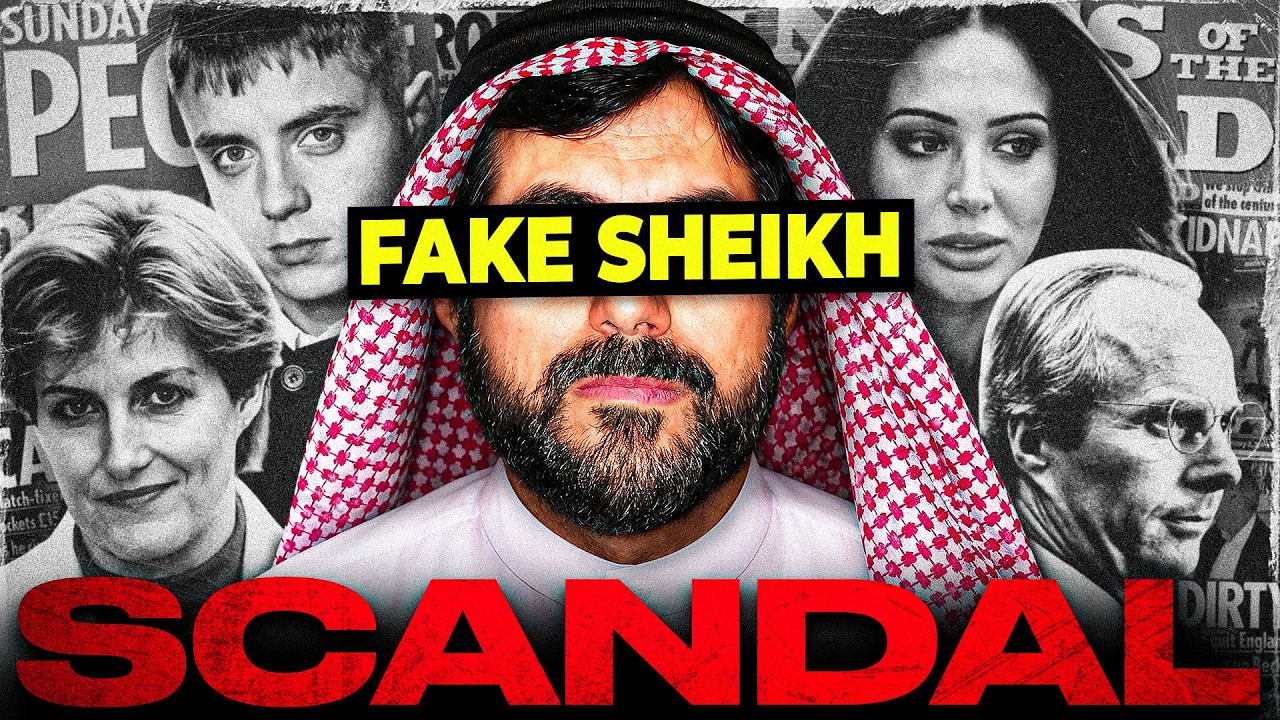
Mazher Mahmood, better known as the “Fake Sheikh”, became one of the most feared figures in British tabloid journalism. Using elaborate disguises, hidden recording equipment and carefully constructed fictional identities, Mahmood persuaded celebrities, sports stars, politicians and public figures to enter situations that could later dominate the Sunday newspapers.
To his supporters, he was a fearless investigative journalist who exposed corruption and criminal behaviour. To his critics, he was a manipulative operator who created the very wrongdoing he claimed to uncover.
Eventually, the journalist who built his career catching other people was caught himself.
Who Was the Fake Sheikh?
Mazher Mahmood was born in Birmingham in 1963 to parents who worked in journalism. He became involved in newspapers from an early age, reportedly helping with his family’s Urdu-language publication during the 1970s.
As a teenager, he exposed a pirate video operation connected to a family member, helping to launch his career in the British press. He later worked for publications including the Sunday People and The Sunday Times before joining the News of the World in 1991.
This was the height of Britain’s tabloid era. Long before social media, viral videos and online celebrity gossip, Sunday newspapers had the power to control the national conversation. A dramatic front page could damage a career, trigger a police investigation or turn a previously private figure into a household name.
Mahmood quickly became one of the most valuable operators in that world.
The Creation of the Fake Sheikh
Mahmood reportedly purchased his first sheikh costume in Birmingham in 1984 for just £12. He initially used the disguise while investigating an alleged prostitution operation linked to a hotel near Birmingham’s National Exhibition Centre.
The formula was simple but effective. Mahmood would pose as a wealthy Arab businessman, investor or member of royalty. His targets would be invited into luxury hotels, restaurants and private meetings where they believed significant money or career opportunities were available.
Once people thought they were speaking to someone rich and influential, their behaviour often changed. Some bragged. Others made damaging comments or agreed to questionable requests.
The central controversy was whether Mahmood was exposing behaviour that already existed or encouraging people to cross lines they would never normally have crossed.
That question followed the Fake Sheikh throughout his career.
John Alford and the Entrapment Debate
One of Mahmood’s earliest high-profile targets was actor John Alford, known for appearing in Grange Hill and London’s Burning.
In 1997, Alford was secretly recorded agreeing to supply cocaine to Mahmood, who he believed was connected to Saudi royalty. Alford was convicted and sentenced to nine months in prison.
Although a court found Alford guilty, the case became an important example in the debate surrounding Mahmood’s methods. Critics questioned whether the sting had exposed an existing drug dealer or placed a vulnerable young actor in a manufactured situation where he was encouraged to commit an offence.
The consequences extended far beyond the courtroom. Alford’s acting career was severely damaged, demonstrating how a Fake Sheikh investigation could permanently change someone’s life.
The Newcastle United Sting
Not every Mahmood investigation involved allegations of criminal behaviour.
In 1998, he secretly recorded Newcastle United executives Freddy Shepherd and Douglas Hall during a trip to Marbella. The pair reportedly insulted Newcastle supporters, mocked former manager Kevin Keegan and laughed about fans purchasing expensive replica shirts.
The story, often referred to as the “Toon Gate” tapes, earned Mahmood Reporter of the Year in 1999.
Unlike some celebrity stings, this investigation had a clearer public-interest argument. Senior figures at a major football club had been recorded speaking disrespectfully about the supporters who financially sustained it.
The investigation demonstrated why Mahmood retained defenders throughout his career. Some of his reporting genuinely held powerful people to account.
Royalty, Football and Elaborate Undercover Operations
In 2001, Sophie, Countess of Wessex, was secretly recorded during a meeting at London’s Dorchester Hotel. Believing she was discussing a potential public relations contract with a Saudi prince, she reportedly made embarrassing remarks about politicians and other public figures.
Mahmood’s disguise gave him access to circles that ordinary reporters could rarely enter. The Fake Sheikh was no longer simply a costume. It was an entire fantasy built around wealth, influence and opportunity.
England football manager Sven-Göran Eriksson became another major target in 2006. During a meeting with Mahmood, who was posing as a wealthy businessman, Eriksson made unguarded comments about his future, England players and potential job opportunities.
Once again, the public-interest question was difficult to answer. Was Mahmood revealing information supporters deserved to know, or was he using a fictional business opportunity to manufacture a damaging private conversation?
When Fake Sheikh Investigations Went Wrong
The risks surrounding Mahmood’s methods became particularly clear following an alleged plot to kidnap Victoria Beckham and her children.
The News of the World presented the investigation as a major criminal exposé. However, the trial of five defendants collapsed after concerns emerged about the reliability of a paid source who had reportedly received £10,000 from the newspaper.
The case highlighted the dangers created when newspapers, sources and journalists were all under pressure to deliver sensational stories.
Mahmood’s investigations did not simply generate gossip. They could result in arrests, prosecutions and lives being turned upside down. When an allegation collapsed, the damage caused by the original headlines could not always be reversed.
The Pakistani Cricket Spot-Fixing Scandal
Any balanced examination of the Fake Sheikh must acknowledge the investigations that exposed serious wrongdoing.
In 2010, Mahmood posed as a match-fixer during an investigation into corruption involving members of Pakistan’s national cricket team. The resulting spot-fixing scandal led to criminal convictions and prison sentences.
This was not celebrity gossip or an embarrassing private conversation. Match-fixing undermined the integrity of international sport and deceived millions of cricket supporters.
The investigation showed that undercover journalism could serve a genuine public interest. However, the same techniques used to uncover sporting corruption could become far more controversial when applied to celebrities seeking jobs or career opportunities.
The Tulisa Case That Ended Mahmood’s Career
The decisive turning point arrived after Mahmood targeted singer and former X Factor judge Tulisa Contostavlos in 2013.
Posing as a wealthy Bollywood film producer, Mahmood offered Tulisa what appeared to be a major acting opportunity, reportedly involving a film alongside Leonardo DiCaprio. The operation included travel to Las Vegas, luxury meetings and discussions about a potentially life-changing Hollywood role.
Tulisa was subsequently accused of helping arrange a cocaine deal between Mahmood and her friend, rapper Mike GLC. She was arrested, charged and faced the possibility of imprisonment.
However, the trial collapsed in 2014 after serious concerns emerged about evidence involving Mahmood and his driver, Alan Smith. The judge found strong grounds for believing that Mahmood had lied in an attempt to conceal the manipulation of evidence.
Mahmood and Smith were later charged with conspiracy to pervert the course of justice. In 2016, both men were found guilty. Mahmood received a 15-month prison sentence, while Smith received a suspended sentence.
The Fall of the Fake Sheikh
Mazher Mahmood spent years hiding his identity while exposing the private behaviour of others. His secrecy added to his reputation, making him seem like an invisible threat capable of appearing anywhere.
In the end, that protection disappeared.
The Fake Sheikh became the subject of documentaries, court proceedings and newspaper headlines. The man who had built a career around revealing other people’s mistakes was publicly exposed and imprisoned following the collapse of one of his own investigations.
His legacy remains deeply divided. Mahmood exposed corruption, dishonesty and criminal behaviour, but his methods also raised serious questions about entrapment, evidence and the limits of undercover journalism.
Was the Fake Sheikh a fearless reporter who reached places other journalists could not, or was he a product of a tabloid culture that valued dramatic headlines above fairness?
The answer may depend on which investigation is being examined. What is certain is that Mazher Mahmood’s rise and fall changed the way Britain viewed both undercover reporting and the newspapers that once celebrated it.